


Prefix number plates.
Issued from 1983 to 2001, prefix plates carry a year letter at the start. The UK's most popular personalised style, with prices starting from £40.
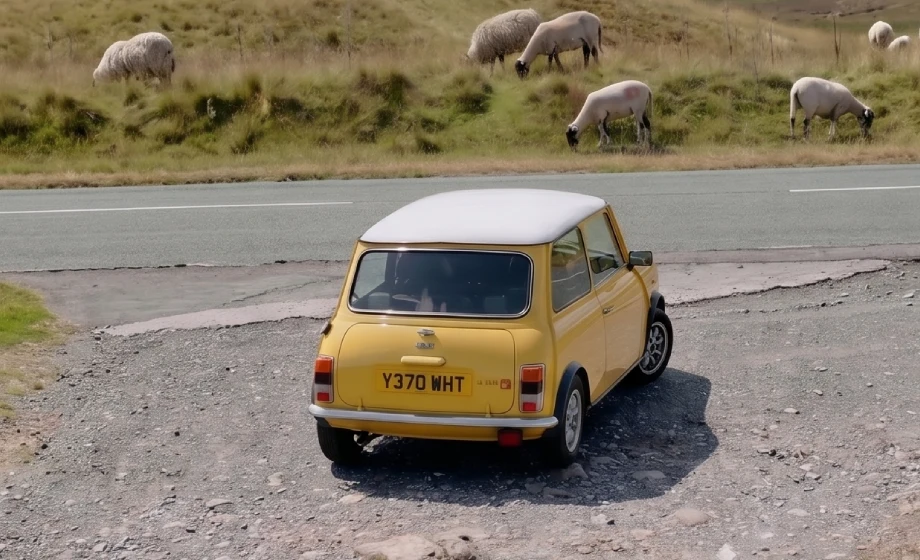
A prefix number plate is a UK registration issued between 1983 and 2001, with the year-identifying letter at the start. The format is a year letter, then one to three numbers, then three letters, for example P100 WHT. The three letters at the end were issued by a local registration office, so they indicate where the plate was first registered. Prefix plates are the most popular personalised style, because they were issued in large numbers, which keeps them affordable, and the leading letter and short number make them easy to turn into names, initials and dates.
Year identifiers
Prefix number plate years
Each prefix letter marks the year the plate was first issued. The letters I, O, Q, U and Z were never used as year identifiers. From 1999 the letters changed twice a year until the current style took over in September 2001.
Want to check a specific plate? Use our free vehicle age checker.
Read any plate
How to read a prefix number plate
Take P100 WHT as an example.
P100 WHT- First letter — the year identifier. On P100 WHT, the P means it was first issued between 1996 and 1997.
- Numbers — from 1 to 999, making each plate unique within its series.
- Last three letters — issued by a local registration office, indicating the area where the plate was first registered.
A piece of motoring history
The most popular personalised style
Prefix plates ran from 1983 until the current style replaced them in 2001, and they were issued in huge numbers across those eighteen years. That scale is exactly why they are the most popular choice for a personalised registration today: there are plenty to choose from, prices start low, and the leading letter followed by a short number makes them well suited to spelling a name or a set of initials.
Because a prefix plate shows a minimum age, it cannot go on a vehicle registered before the plate's year, the standard age rule for dated plates. For an older style, see suffix number plates or dateless and cherished plates. For the style that followed, see current style number plates.
Prefix number plate FAQs.
A prefix number plate is a UK registration issued between 1983 and 2001 with the year letter at the start. The format is a year letter, one to three numbers, then three letters, such as P100 WHT.
Prefix plates were issued from 1983 to 2001. The year letter runs from A in 1983 to the final letters in 2001, skipping I, O, Q, U and Z. From 1999 the letters changed twice a year.
It is the year identifier, marking the year the plate was first issued. A plate starting with P was first registered between 1996 and 1997.
Yes. A prefix plate can go on a vehicle of the same age or newer, but not one registered before the plate's year, because a plate cannot make a vehicle look newer than it is. Check your vehicle's age before you buy.
From £40 plus VAT and the £80 DVLA fee. Prefix plates are usually the most affordable dated style because so many were issued.
Find your prefix number plate
Search 71 million UK registrations from £40 plus VAT and DVLA fee. We handle the paperwork.